




WELDING IS DEFINED AS A PROCESS WHERE TWO OR MORE PIECES OF METAL OR THERMOPLASTICS ARE FASTENED TOGETHER BY USE OF HEAT AND PRESSURE. THE PROCESS OF WELDING THAT IS USED DEPENDS ON A VARIETY OF FACTORS BUT THE FORM AND THICKNESS OF THE MATERIAL IS USUALLY THE DECIDING FACTOR FOR WHICH METHOD IS MOST EFFECTIVE. SOME OF THE MOST COMMON TYPES OF WELDING TODAY ARE METAL INERT GAS WELDING (MIG) OR GAS METAL ARC WELDING (GMAW), ARC WELDING OR SHIELDED METAL ARC WELDING (SMAW), TUNGSTEN INERT GAS (TIG) OR GAS TUNGSTEN ARC WELDING(GTAW) AND FLUX-CORED ARC WELDING (FCAW).
Over the years, these welding techniques have been simplified with superior welding equipment. With such equipment, it is possible for many operators to forget essential steps when performing the weld. However, when these same operators run into trouble, they are unable to diagnose and correct problems. Here are some common welding issues and how to correct them.
1. SPATTER
In gas metal arc welding (GMAW) a common unwanted side effect is the creation of what welders call spatter. These are droplets of molten material that are produced near the welding arc. Spatter happens when welding currents are too high, incorrect polarity or if there is insufficient gas shielding. In order to avoid spatter, the reduction of the welding current and arc length is recommended. In addition, the welder can check to see if there is the correct usage of polarity for the consumable. Last, it is a good idea to check the shielding gas type and flow rate, as well as clean the gas nozzle and increase the torch-to-plate angle. A great product reducing spatter is the Weldmax Spatter-go. Check it out here.
2. POROSITY
Porosity is caused by the absorption of nitrogen, oxygen and hydrogen in the molten weld pool which is then released on solidification to become trapped in the weld metal. Causes for porosity include the presence of moisture, rust, grease or paint on the plate edges, insufficient gas shielding, or when the welding is done onto small gaps that have air in between. To avoid porosity in a weld, the welder should re-bake or use fresh welding consumables and check the welding torch for leaks. Having dry and clean plate edges helps too. It would also be a good idea to check the shielding gas type and flow rates, clean the gas nozzle of the welding device and make sure the torch to plate angle is not too large or small.
3. UNDERCUT
Undercuts occur when the arc voltage is too high or when the arc is too long. It can also happen if there is incorrect electrode usage or angle, or if the electrode is too large for the thickness of the plate. In addition, undercuts tend to happen if the travel speed is too quick. Besides watching the speed, it is important to check for proper manipulation of the electrode used. It is recommended that welders do not use a bigger than needed electrode because if the amount of molten metal becomes too big, there will be undercut. Next, it is essential to look after how much weave is used as well. Last, do not hold an electrode near the vertical plate when making a horizontal fillet weld.
4. DEFORMATION
Deformation happens during the contraction of welded metals when it is cooling and hardening. This occurs if the welding sequence is not suitable for the intended weld, there are too many thin beads, poor plate fit-ups (insufficient clamping) before welding. Some good solutions to avoid deformation are to weld from both sides of the joint, welding from the centre out (in opposite directions), using a larger electrode and clamping firmly. Changing the sequence of welds, or the location of the joint, or making fewer passes, can also help reduce the risk.
5. CRACKS
In any sort of construction, every crack (regardless of size) is considered a defect. It can be dangerous because small cracks have the potential to become larger over time. It is not as simple as filling the gap with material because cracks need to be ground out and then a new weld is performed to correct the error. Since this is tedious, prevention is preferable than the cure. To avoid cracks, it is necessary to spend time grinding, cleaning, filing or deburring the edges of the plates so they easily fit together. It would be a good idea to reheat both sides of the joint since having the right temperature matters and clamp the plates together. And before going on to weld, check to see if you have the right amount of heat dialled up by testing your machine settings .
6. INCOMPLETE PENETRATION AND FUSION
Incomplete root fusion is when the weld fails to fuse on one side of the joint in the root. Incomplete root penetration occurs when both sides root region of the joint are unfused. These issues tend to happen more in consumable electrode processes (MIG, MAG, FCAW, MMA and SAW) where the weld metal is 'automatically' deposited as the arc consumes the electrode wire or rod . Solutions include the use of wider root gap, electrodes whose diameter size is approximately the gap width of the root. When welding, it would be good to use lower travel speed and weave between the plate edges.
7. SLAG INCLUSIONS
Slag inclusion is the small particles of flux that become trapped in the weld metal, which prevent complete penetration of the weld . The way to prevent this is to have well maintained flux-coated consumables . Having the correct current, voltage and good arc characteristics would be necessary to ensure quality welds with complete fusions when running through.
8. INCORRECT WIRE DELIVERY
When welders start hearing a chattering sound within the gun cable, there could be an issue with the wire delivery system. In this instance, this is always to do with ensuring the correct set up of the equipment and maintenance. Sometimes, welders make the mistake of using tips that are too large for the application that can lead to some of the other welding problems listed above. Some tips include ensuring that the contact tip of the gun is properly functioning and double checking the size of the wire that will be used. It is a good idea to check the tip of the wire to see if it is worn out and needs to be replaced. As for the drive rolls, it is worth checking them as they do wear out. Always make sure that the drive rolls and guide tube are within close proximity.

THE IMPORTANCE OF THE BEST EQUIPMENT
At the end of the day, having the proper knowledge on avoiding welding pitfalls and having the best and latest welding equipment with the most up to date technology does make a difference when it comes to lessening the chances of having defects happening. Thus, having reliable suppliers who are renowned for their product excellence, such as Welding Industries Australia (WIA), is essential for businesses that depend on welding as part of their core business structure.
VIEW OUR RANGE OF WELDING MACHINES
Related Posts
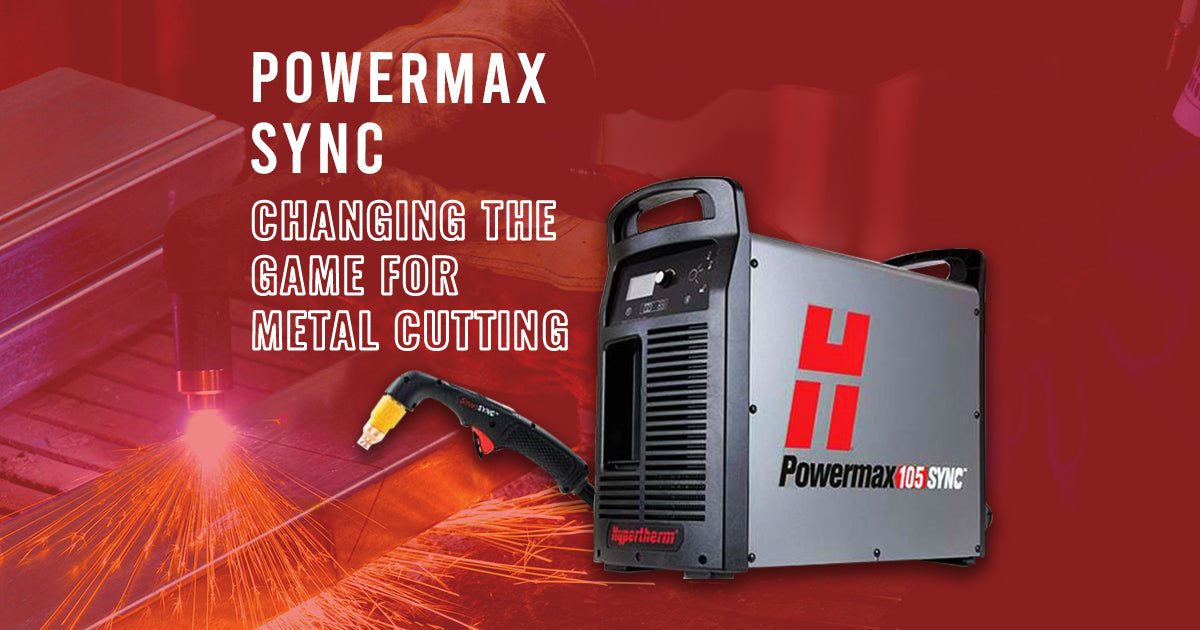
The New Powermax SYNC™: Changing the Game for Metal Cutting
Looking for an easy way to cut metal? The Powermax SYNC™ is the new smart sync torch that makes it easy to cut metal. With its single-piece cartridge, you can quickly and easily change the tips, so you're always ready to go!

The New 3M™ Speedglas™ Flip-Up Welding Helmet G5-01 TW
ADJUST YOUR WELDING HELMET, NOT YOURSELF Based on extensive input from welders working at high amperage who need to grind frequently, the 3M™ Speedglas™ Heavy-Duty Welding Helmet G5-01 series is created to be adaptable to an individual needs and situation.
TIG Tungsten Selection Guide
WHAT’S IN A TUNGSTEN AND WHAT DO THEY DO? Every tungsten is roughly 95%+ pure tungsten (which used to be the only kind of tungsten you could get) with some additional ingredients mixed in for better results in certain areas.